
CNC Precision Turning Capabilities
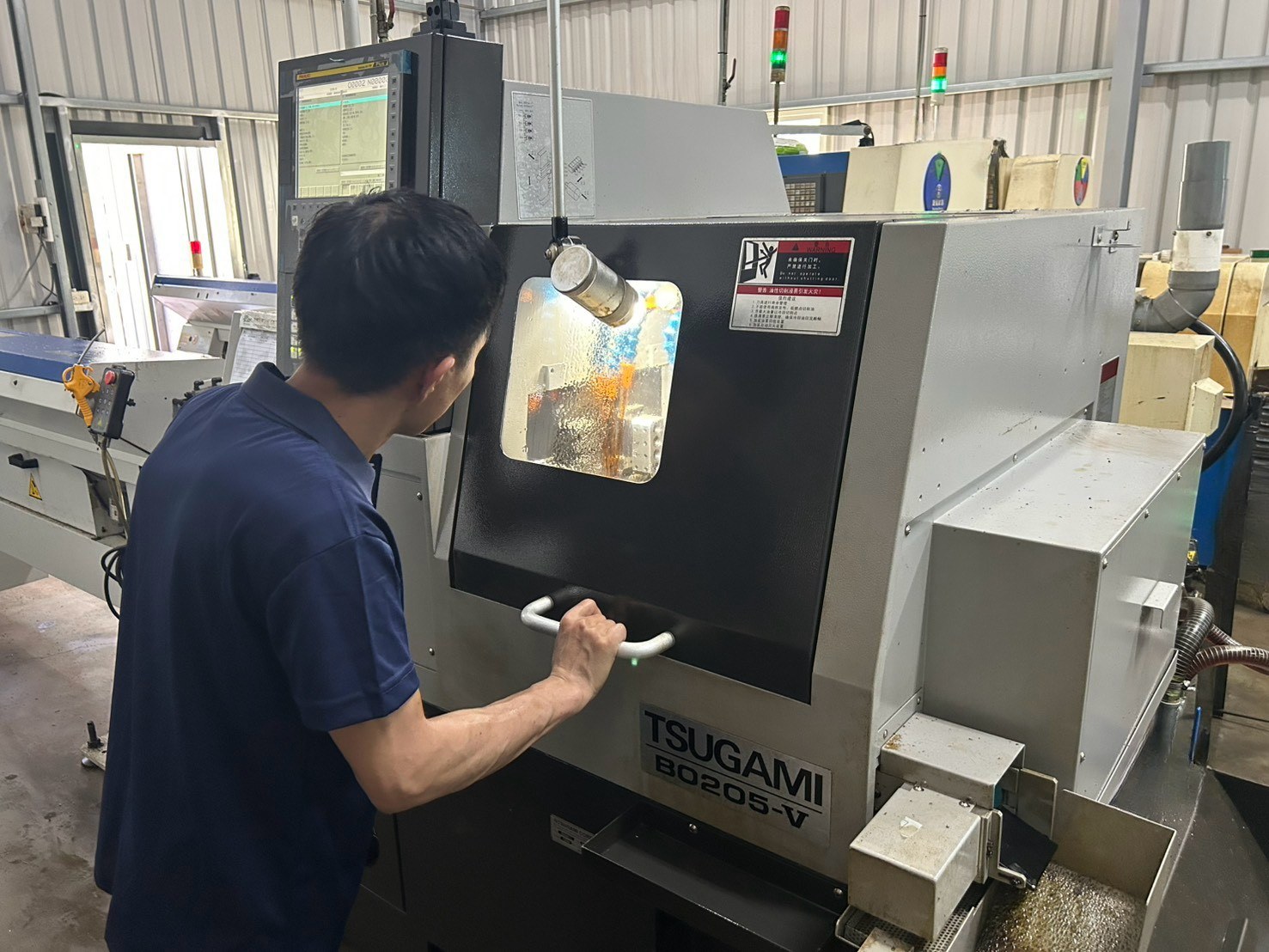
Mainly precision turning of bar stock, with the process and production method planned around part size, material, tolerances, features, and quantity. Prototyping, low-volume, and long-term volume production are supported; special sizes and conditions can be evaluated per project.
Specifications
Machining Range
| Machining Range | Main bar stock diameter Ø1 mm to Ø20 mm; machining needs for larger sizes can be evaluated together with the parent company's production lines |
|---|---|
| Dimensional Tolerance | Critical dimensions and tolerances are confirmed against the drawing; tolerances as tight as ±0.01 mm are achievable. |
| Main Machining Types | Mainly precision turning of bar stock, combined with milling, drilling, boring, reaming, and tapping |
| Common Materials | Stainless steel, steel, brass and copper alloys, aluminum alloys, and other materials that can be evaluated |
| Production Types | Prototyping, low-volume production, and long-term volume production |
Actual machining capability must be confirmed according to the material, part geometry, feature locations, tolerance requirements, production quantity, and quality-document needs.
Part types
Typical Parts and Machining Features
Custom precision turned parts are made to customer drawings, including custom special screws and nuts. The following part features usually call for planning of the support method, machining sequence, and measurement method.
Small-Diameter and Slender Parts
For parts with a high length-to-diameter ratio, insufficient support during machining can easily cause dimensional shift; guide-bushing support, clamping method, and critical dimensions together determine how the machining conditions are set.
Multi-Feature Parts
For holes, grooves, and threads, besides each individual dimension, their relative positions must also be included in the planning of the machining sequence and measurement method.
Equipment
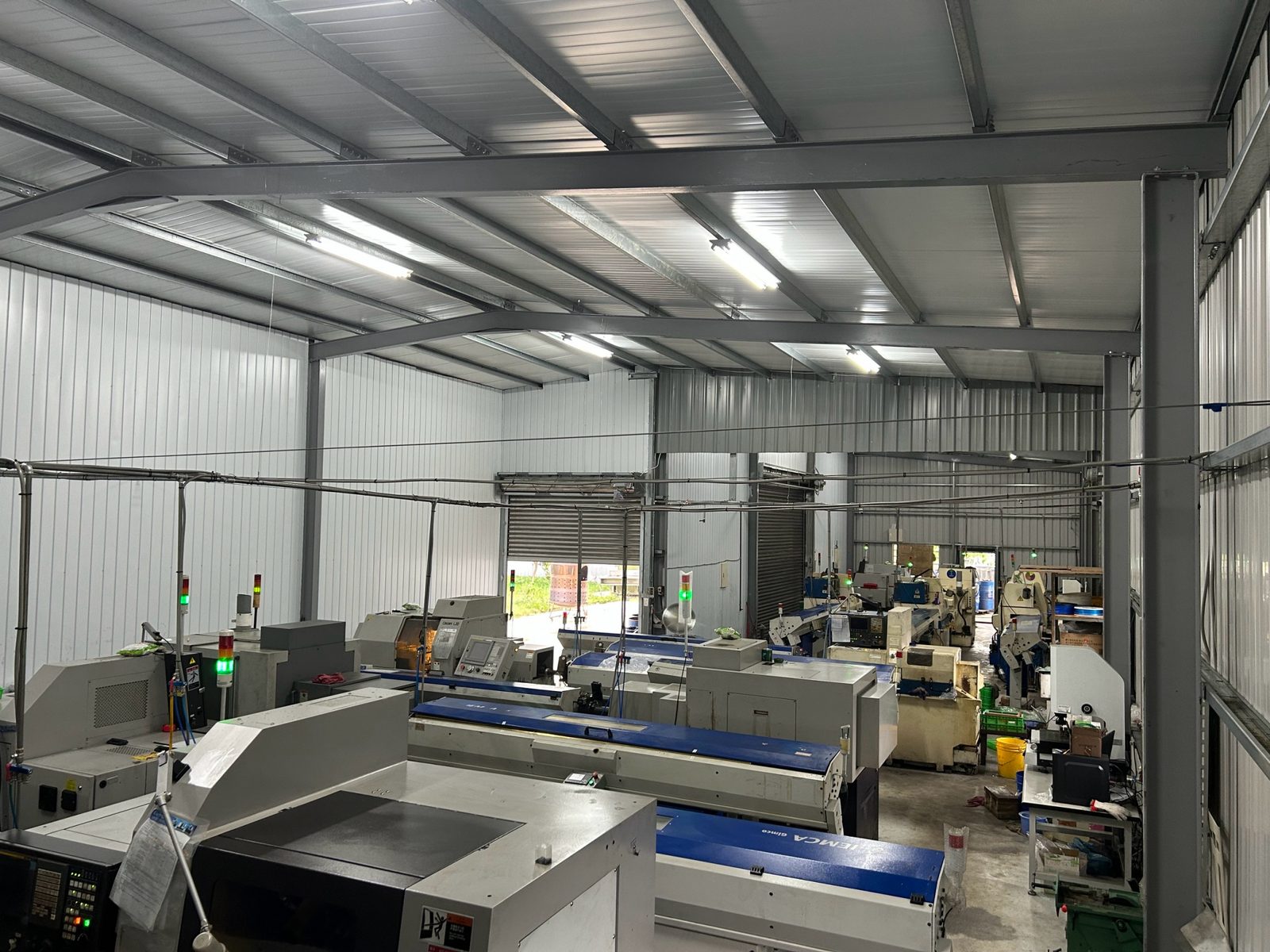
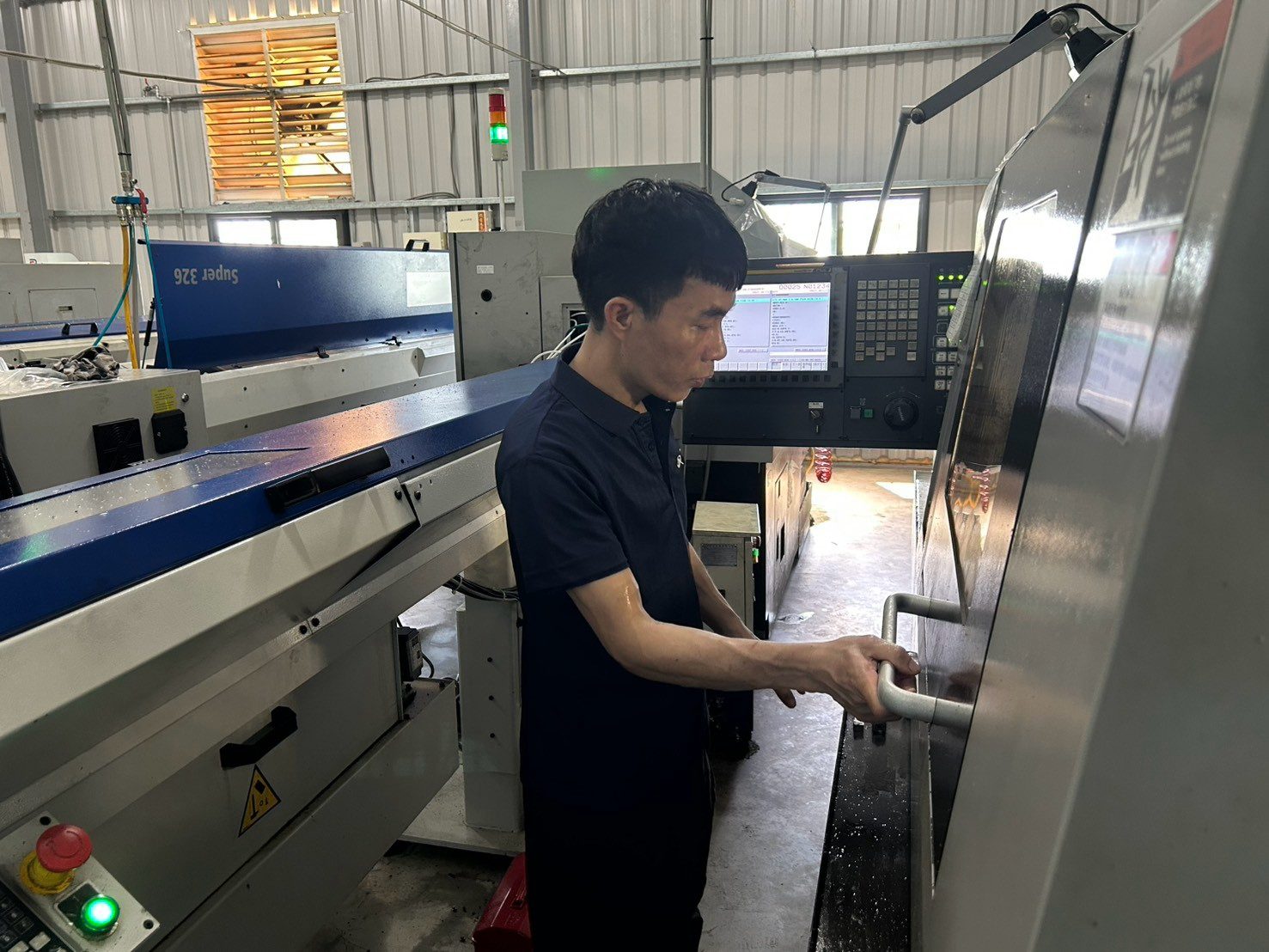
Equipment and Production Setup
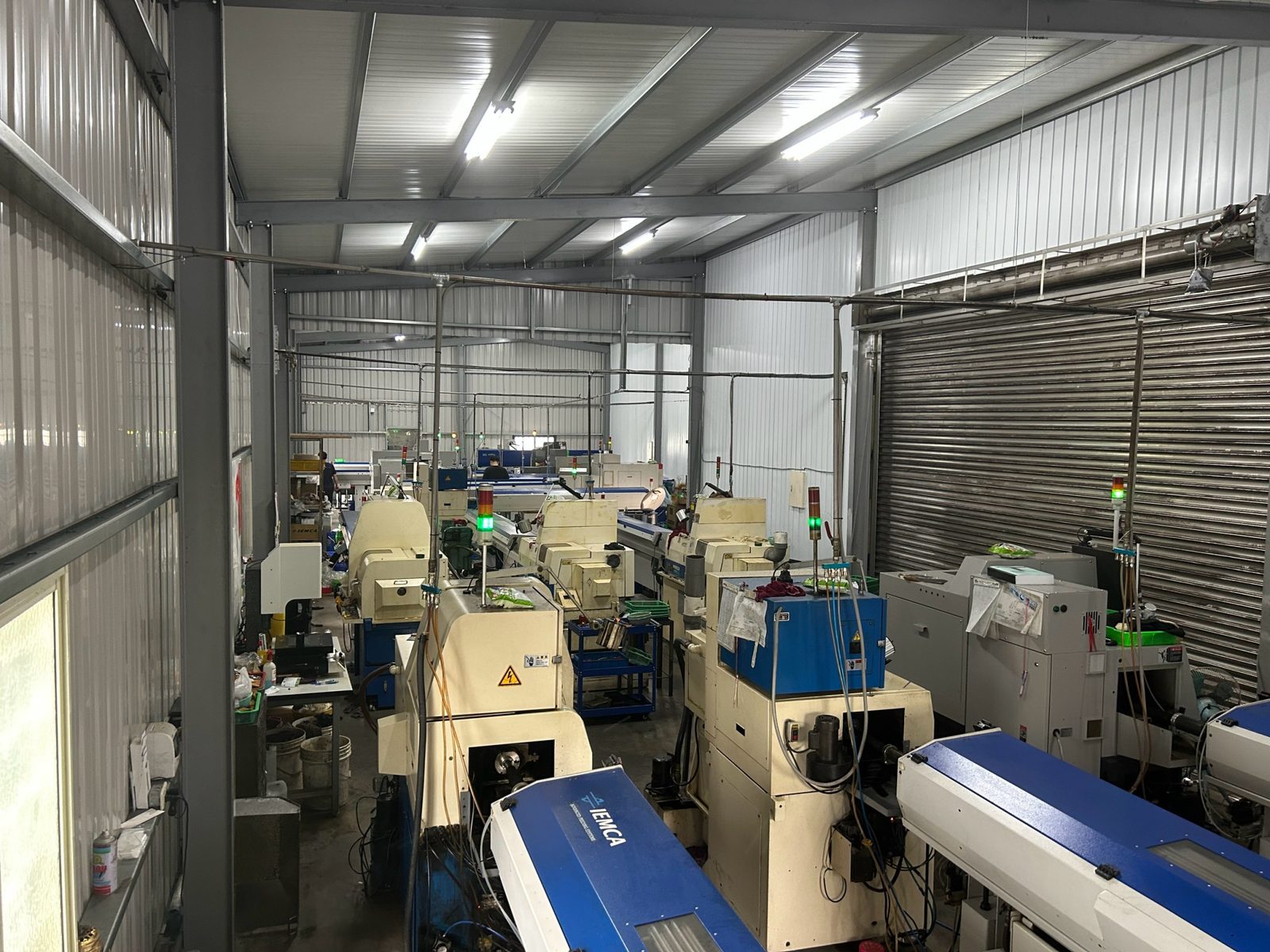
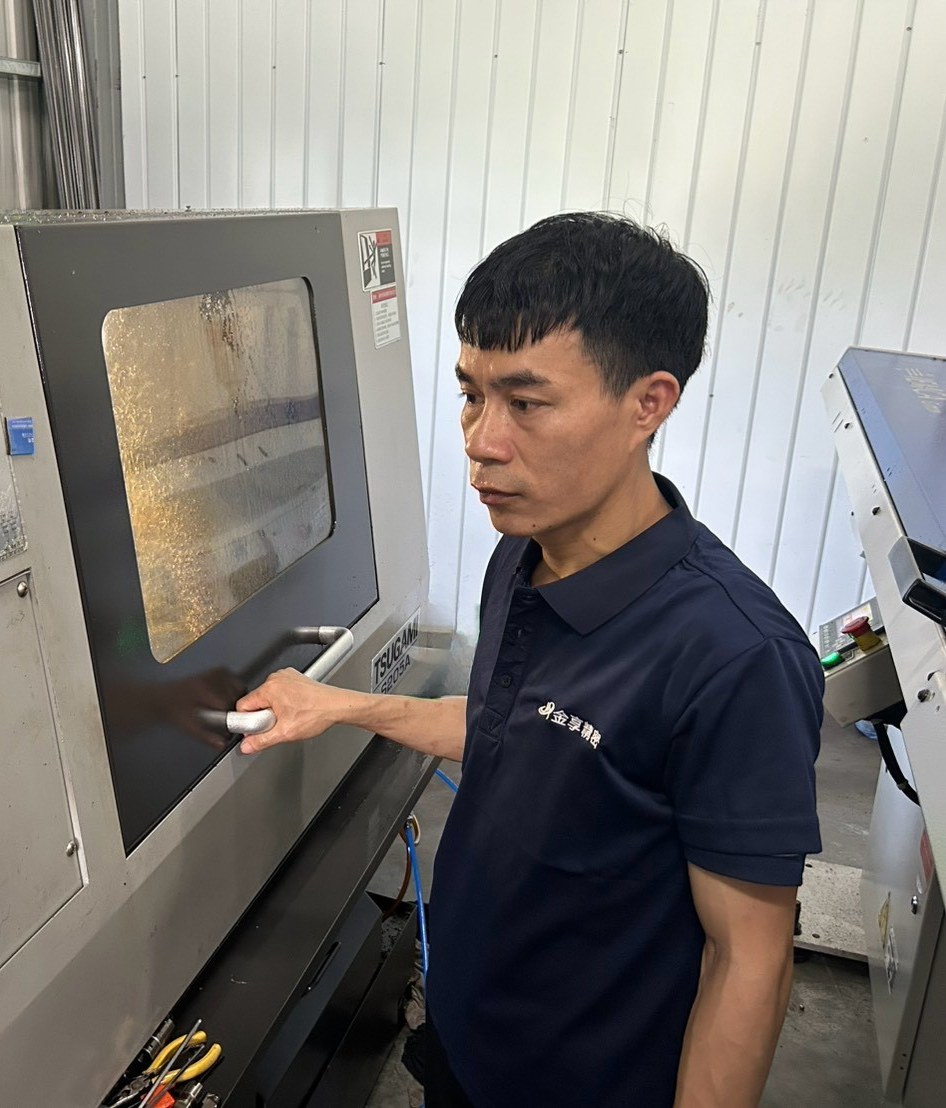
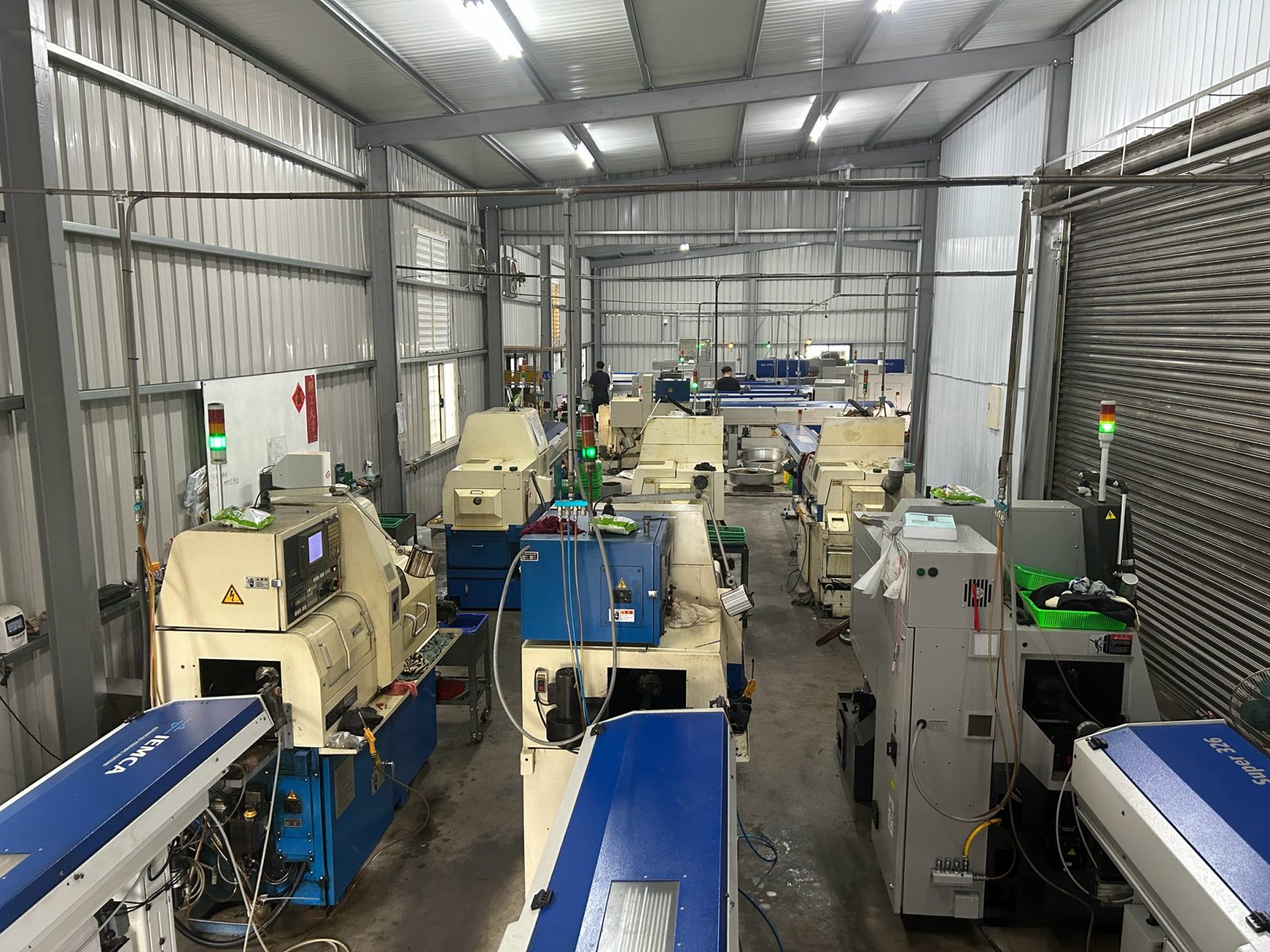
Mainly bar-stock machining and automated production setups, improving continuous machining efficiency, batch consistency, and production stability. Needs for larger sizes or production expansion can be evaluated together with the production lines of parent company Yuh Chyang.
Evaluation
Machining Feasibility Evaluation
After you provide a drawing or sample, Jinxiang evaluates it according to the part's conditions. Once the information is complete, Jinxiang replies with machining feasibility, quotation conditions, and estimated lead time.
Items Evaluated
- Material and surface treatment
- Outer diameter, length, key tolerances
- Quantities for prototype to volume runs
- Quality documents and delivery needs
If the information is not yet complete, you can first provide what you have as a basis for a preliminary evaluation.
Send Drawings and RequirementsFrom Prototyping to Repeat Production
Production types cover prototyping, low-volume production, and long-term volume production. When a part moves from prototyping into volume production, or is produced again, the key is whether the machining conditions can be carried over:
Production Consistency
Machining conditions and process sequence are confirmed first at the prototyping stage, as the baseline to carry over and compare against in volume production; if adjustments are needed later, they can also be compared with the prototyping conditions.
Repeat and Continued Production
Production conditions are recorded, so when the same part is produced again or production continues, the machining conditions and measurement results of earlier and later batches can be compared.
Industries
Applications
Common application industries for these parts are listed below. If you need to confirm whether Jinxiang has experience machining the same part, raise it when requesting a quote. Custom turning needs from other industries are also welcome; please provide a drawing for evaluation.
- Automotive and motorcycle parts
- Industrial equipment parts
- Furniture parts
- Fiber-optic and electronic parts
DISCUSS THE PART
Send Drawings and Requirements.
Please provide a drawing or sample, the material, surface treatment, and estimated quantity; if the information is not yet complete, you can first describe the part's purpose and main requirements.
Contact & RFQ